Mayfair Removals in Mayfair

Mayfair Removals provides house removals in Mayfair with a practical focus on moving day organisation, careful handling and a clear plan for getting belongings from one property to another. The service suits customers who want support with furniture, boxes and other household items, whether they are leaving a flat, a townhouse or a larger family home. We keep the service centred on the move itself, with sensible preparation, straightforward communication and attention to the way items are packed, carried and placed.
Our home moving work is designed around the details that matter on the day: access, stairs, lifts, fragile possessions and the order in which rooms are cleared. That means we can discuss the size of the load, any awkward items and the practical steps needed to keep the move organised. If you are comparing options, it is sensible to ask about the level of support you need before anything is booked, because a simple two-room move and a full property relocation can need a very different approach.
For a clear starting point, take a look at our home moves page if you want to understand the sort of domestic moving work we cover. You can also request details through our plain contact us route when you are ready to discuss the move and ask for a quotation.
Domestic moving support for different property types
House removals are rarely one-size-fits-all, especially in an area with a mix of period buildings, mansion blocks and compact modern homes. Some moves are straightforward enough to focus on boxes and a few key pieces of furniture, while others need a more measured plan for dismantling, carrying and reassembling. The important part is matching the work to the property, the access available and the possessions being moved, so the day feels controlled rather than rushed.
We can help with typical household contents, including sofas, tables, wardrobes, beds, appliances and packed personal items. If you are deciding how much support to arrange, it helps to think about what needs to be moved first, which items are delicate or heavy, and whether anything will need extra care because of shape, weight or finish. When you are ready, requesting a quotation is usually the simplest way to compare the likely scope of the move with the service required.
Our house removals page is a useful place to review the main domestic moving service, while the house movers page gives another route into the same kind of household relocation work. For customers who want a broader overview of the type of moving support available, the removals page can help frame the options without adding unnecessary complexity.
Loading, carrying and furniture care

Moving furniture safely is a central part of any household relocation, especially where access is tight or the building layout is less forgiving. We focus on the practical handling side of the move, taking care with corners, door frames, banisters and floors while keeping an eye on the sequence in which items leave the property. The aim is not simply to move objects quickly, but to do so in a way that respects the shape, condition and weight of each item.
Useful preparation usually makes the process smoother. Items that are already boxed, labelled and grouped by room are easier to load and place at the other end. It also helps to identify anything that is especially fragile, unusually large or likely to need dismantling. Keep one set of essentials separate if you want them close to hand on arrival, and use a short written inventory if there are many items that need to be accounted for during the move.
If your move is likely to include a mix of furniture and loose household effects, our man with van page may be helpful, as it reflects a flexible moving format for smaller or simpler loads. Where larger household work is required, the house removalists page offers another route into the same domestic service family, with emphasis on the moving labour and transport involved.
Packing and unpacking considerations
Packing often determines how efficiently a move runs, because well-packed boxes are easier to stack, carry and place. We can support moves where the customer has packed everything already, but many people also want a little extra help understanding how to group belongings sensibly. Books, kitchenware, clothing, small ornaments and paperwork all benefit from different packing habits, especially when you want to protect fragile contents and avoid overfilled boxes that are awkward to lift.
It is also worth thinking about unpacking in advance. A move feels less disruptive when important items are easy to find, and boxes are labelled in a way that reflects their destination room rather than a vague general category. If you prefer a little more structure, clear room labels and a simple list of breakables can save time later. This kind of preparation is useful without becoming complicated, and it supports a smoother handover into the new property.
Our packing and unpacking services page covers the topic more directly, while the removal services page is useful if you want to compare the broader scope of moving support we offer. For many customers, the right quotation starts with deciding whether packing help, removal help or both are needed.
Planning access, timing and the practical shape of the job
Any domestic move works better when the access details are known early. Staircases, lift sizes, entrance restrictions and parking arrangements can all influence how the work is carried out, especially if furniture is bulky or the property is in a busy street. Sharing those details in advance helps us understand whether the move is best approached as a compact local job or a more involved household relocation with extra handling requirements.
The timing of the move matters too, particularly when possessions must leave one property at a set point and arrive at another in a careful order. A sensible plan often includes the main furniture first, followed by boxes and loose items, with fragile belongings kept separate until the right moment. If you need to compare moving options, it is reasonable to ask what is included in the service before you decide. That keeps expectations clear without committing to more support than you need.
For customers looking at different moving formats, our moving van page and moving truck page show the kinds of transport-related pages available on the site. They can help when you want to think about vehicle size in relation to the load, although the best choice still depends on the actual contents of the move.
About Mayfair

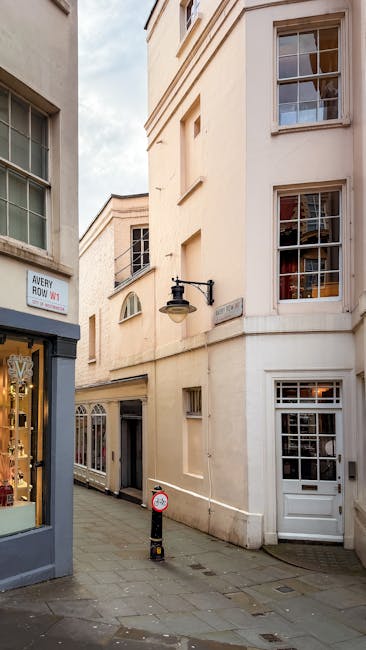
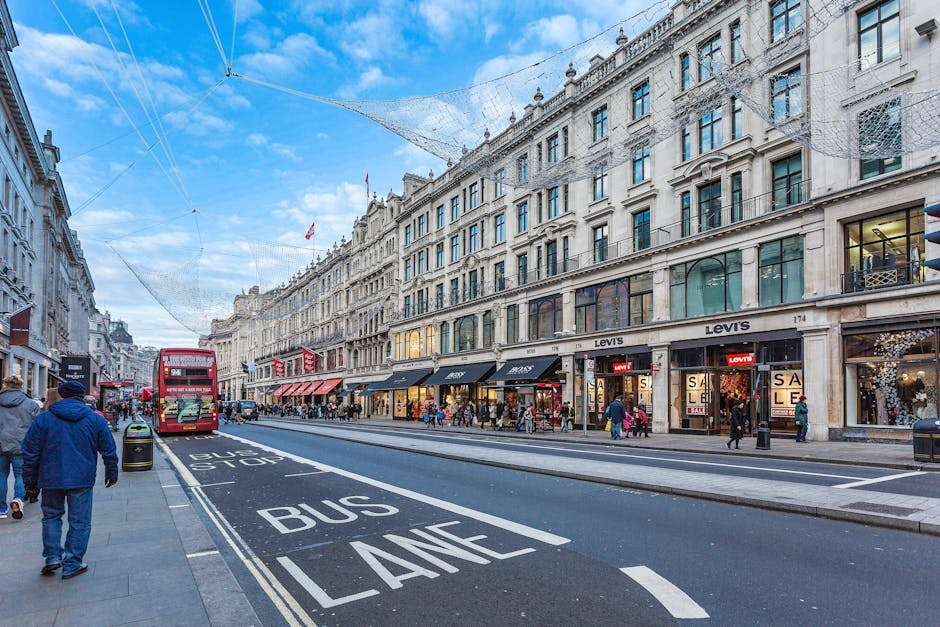
Mayfair is a district in the West End of London, lying between Hyde Park and Green Park and known for a dense urban pattern shaped by 18th-century aristocratic development. It takes its name from the May Fair, a fair held in the 17th and early 18th centuries on a site around what is now Shepherd Market. The area is associated with fine Georgian terraces, later mansion blocks, private squares and a strong concentration of embassies, galleries, hotels and high-end shops. Grosvenor Square remains one of its best-known open spaces, while Berkeley Square, Hanover Square and Mount Street help define the district’s historic street pattern. Nearby routes connect the area to Oxford Street, Piccadilly and Bond Street, giving it a position at the centre of central London’s westward commercial and social life. Over time, much of the original aristocratic housing has been adapted for offices, clubs, hospitality and retail use, though the architectural character still reflects its Georgian origins and later Victorian and 20th-century additions. Green spaces at the edges of the district, including Hyde Park and Green Park, provide a contrast to the tightly built streets, and the neighbourhood remains closely linked to the wider cultural life of the West End, with galleries, restaurants and event venues within easy reach.
Office moves and commercial relocation work
Although the main focus here is domestic moving, the site also includes services for business premises and other commercial relocation needs. Office moves usually require a different rhythm from household work, because desks, chairs, filing, IT equipment and storage units all need to be handled in a way that keeps departments organised. The work can involve moving individual offices, complete floors or smaller trading spaces, depending on what the premises contain and how much needs to be shifted in one visit.
Commercial moves benefit from early planning because equipment and records often need to be kept in a defined sequence. A move can be made easier when workstations are labelled, boxed items are grouped logically and heavier pieces are identified before the day arrives. If you are comparing household and business relocation support, the office relocation services page and the office removals page provide relevant routes into that side of the service. Specialist handling is often important where premises contain a mix of furniture and working equipment.
Not every commercial move needs the same level of intervention, so it helps to decide whether you need transport only, loading support or a fuller managed relocation. For business customers who want to plan costs and scope carefully, the commercial moves page is the best place to look before asking for a quotation.
Local transport options and smaller moving jobs

Some customers do not need a full household team, but instead want a more compact way to move a few items, a small flat or a limited load. That is where smaller moving formats can be practical, especially if the job involves a short journey, a modest number of boxes or a handful of heavier pieces. These services still need careful handling, but they are often chosen for their flexibility rather than the scale of the vehicle or crew.
The site includes several related pages that point to this lighter moving style. Our man and van page, man with van removal page and movers page all sit within the same general category of transport-led moving support. They are useful if your move is smaller, your furniture load is limited, or you simply want a more adaptable way to shift belongings without unnecessary complexity.
Where you are unsure which route fits best, the clearest approach is to compare the contents of the job rather than focus on labels. A small move with awkward access can need more care than a larger one with straightforward access, so it is worth identifying the pieces that matter most. If you want to enquire about suitability, keep the description simple and accurate so the quotation can reflect the real work involved.
What affects the quotation
A quotation for removals is usually shaped by the amount to be moved, the kind of items involved and the access conditions at both ends of the journey. Stairs, parking distance, lift access and the need to dismantle or reassemble furniture can all influence the amount of time and labour required. Fragile or oversized items may also need extra attention, so it is best to describe them clearly when you ask for pricing.
We do not treat every move as identical because different properties create different practical demands. A compact flat move may be fairly direct, while a larger house can involve more stages, more handling and a more detailed loading order. If you can, keep a note of the rooms involved and any pieces that need special care. That information helps form a quote that matches the scope of the job rather than a generic estimate.
If you are ready to compare the service against your move, the pricing and quotes page is the most direct destination. It is also sensible to use the plain contact us page for a final quotation request once you have the basics of the move to hand.
Service standards, safety and responsible handling

Safety and care are part of any well-run removal, because lifting and carrying are only one part of the task. It is also about protecting the property, managing bulky items through tight spaces and keeping the load stable while in transit. Our approach is grounded in sensible moving practice: careful handling, practical planning and a focus on reducing avoidable strain on furniture and surroundings. That is especially relevant where items are awkward, heavy or valuable for personal reasons.
The site’s related policy pages provide supporting information for customers who want to review practical matters such as safety, security and responsible working. The health and safety policy page and insurance and safety page are useful if you want to understand the framework around the work. For those interested in wider business practices, recycling and sustainability gives an additional point of reference.
When you are ready to proceed, the best next step is to ask for a quotation with the move details you already know. You can keep it simple, and you do not need a long description to get started. Request a quotation today and use the contact route that suits you best so the move can be discussed in a clear, practical way.
Choosing the right moving page for your needs
Because removals can vary from a single room to a full property, the site includes several pages that help customers find the right service path. Some pages focus on domestic moves, others on business relocation and others on smaller van-led transport. That structure is useful when you want to compare wording, scope and likely suitability before making an enquiry, rather than relying on a one-line description of the whole job.
If you are still narrowing things down, the removal company page and removal companies page may help frame the broader service area. For customers who prefer to think in terms of vehicles rather than service groups, the removal van and removal truck hire pages are also available, although the best fit always depends on the actual contents and access details of the move.
The most useful enquiries are straightforward and specific. If you can say what is being moved, where it is going and whether there are any access issues, that gives a quotation a firm basis. Keep the description honest and concise, then let the service match the job rather than forcing the job to fit a vague label.