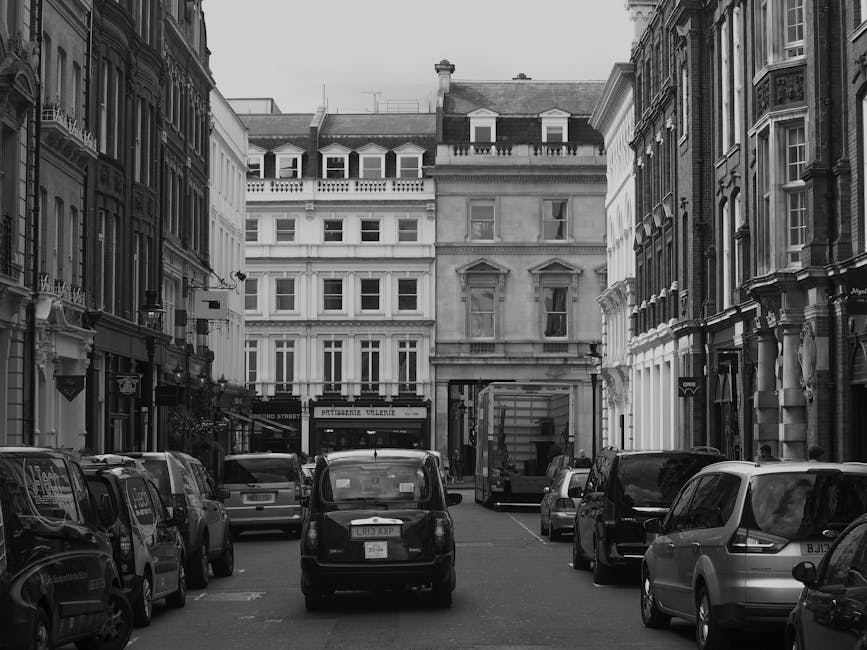
Mayfair removals near W1K: street-by-street moving tips
Moving in Mayfair is not the same as moving in a typical London postcode. Around W1K, the streets are elegant, busy, and often tighter than people expect. You may be dealing with mews houses, mansion blocks, controlled parking, delivery windows, concierge desks, lift bookings, and the sort of access issues that only show up on moving day, naturally. That is why Mayfair removals near W1K: street-by-street moving tips can make the difference between a calm move and a very long morning with boxes on the pavement.
This guide breaks the area down in a practical way. You will see how street-by-street planning helps, what to check before moving, which common bottlenecks catch people out, and how to prepare for the realities of Central London removals. If you are planning a flat move, a townhouse move, or a business relocation nearby, the aim here is simple: help you move with less stress and fewer surprises. Truth be told, that is usually what people want most.
For broader help with planning and packing, it can also be useful to look at full removals support and the company's packing services before the moving date gets too close.
Table of Contents
- Why Mayfair removals near W1K: street-by-street moving tips Matters
- How Mayfair removals near W1K: street-by-street moving tips Works
- Key Benefits and Practical Advantages
- Who This Is For and When It Makes Sense
- Step-by-Step Guidance
- Expert Tips for Better Results
- Common Mistakes to Avoid
- Tools, Resources and Recommendations
- Law, Compliance, Standards, or Best Practice
- Options, Methods, or Comparison Table
- Case Study or Real-World Example
- Practical Checklist
- Conclusion
- Frequently Asked Questions
Why Mayfair removals near W1K: street-by-street moving tips Matters
Mayfair is compact, prestigious, and heavily used throughout the day. That combination creates a very particular moving environment. One street may offer straightforward access, while the next may be awkward because of one-way systems, basement entrances, narrow pavements, or concierge-controlled lobbies. A move that looks easy on a map can become fiddly in practice. And yes, the map usually lies a little.
Street-by-street planning matters because Mayfair is not uniform. W1K can include quiet residential addresses, larger period properties, luxury apartments, serviced buildings, and mixed-use streets where loading space disappears quickly. If you are not careful, your removals crew can spend half the morning circling for access instead of moving the actual furniture.
This is also an area where timing matters more than many people realise. Morning deliveries, hotel traffic, lunchtime footfall, concierge schedules, and parking restrictions can all affect how a move unfolds. In a place like Mayfair, small inefficiencies add up fast. A missing permit, an unbooked lift, or a packed loading bay can ripple through the whole day.
For people comparing service levels, it is worth understanding the difference between standard transport and a tailored moving plan. A well-organised team will usually ask about access, floor level, parking, fragile items, and building rules before the van arrives. If they do not, that is a warning sign, to be fair.
How Mayfair removals near W1K: street-by-street moving tips Works
Street-by-street removals planning is exactly what it sounds like: you assess the move according to the specific street, building type, and access conditions on each side of the move. In Mayfair, that usually means identifying the practical details that shape the day long before the van is loaded.
Here is the basic process:
- Identify the exact pickup and drop-off points. In W1K, the difference between one entrance and another can matter a lot. A rear mews entrance, a side gate, or a concierge-managed lobby may change the moving method entirely.
- Check loading access. Look for bays, time restrictions, red routes, resident-only spaces, and where a van can safely pause without causing trouble.
- Review building rules. Many Mayfair properties require lift bookings, protection for communal areas, weekday move windows, or advance notice to management.
- Match the crew and vehicle to the street. A larger lorry may not be ideal where access is tight. A smaller vehicle, shuttle move, or staged load can sometimes be smarter.
- Plan the sequence. Pack and label by room, prioritise fragile or high-value items, and decide what should come off first when you arrive.
The key thing is that the move is shaped around the street, not the other way round. That sounds obvious, but plenty of problems happen when people assume central London works like a suburban driveway. It does not.
In practical terms, this approach also helps your removals team protect floors, avoid delays, and work more efficiently. For especially delicate items such as artwork, mirrors, or oversized furniture, you may want to look at dedicated furniture assembly support so large pieces can be handled properly at each end.
Key Benefits and Practical Advantages
Street-by-street moving tips are not just about avoiding inconvenience. They create real advantages that are easy to feel on the day.
- Less wasted time: You reduce the odds of van circling, waiting, or double-handling items.
- Better protection for belongings: Fewer rushed lifts and fewer awkward manoeuvres usually mean fewer scuffs and knocks.
- Smoother communication: When everyone knows the street access plan, the crew, client, and building staff can coordinate more easily.
- Lower stress: A move with a clear loading plan feels much more controllable. You can breathe a bit.
- More accurate scheduling: Moves in Mayfair often depend on precise timing. Good planning helps keep the schedule realistic.
- Cleaner building handover: This matters in shared hallways and managed blocks where you may need to leave communal areas spotless.
There is also a financial benefit, although it is often indirect. When access is well planned, you are less likely to pay for unnecessary waiting time, repeat trips, or emergency adjustments. A smoother operation is usually the cheaper one in the long run.
Key takeaway: in Mayfair, the smartest removal is usually the one that respects the street first and the calendar second. If you can get access right, everything else becomes easier.
Who This Is For and When It Makes Sense
This kind of planning is useful for anyone moving in or out of W1K, but some people need it more than others.
- Flat movers in mansion blocks: If there is a lift booking system, porter, or service entrance, you need a very clear plan.
- Townhouse residents: Stairs, narrow hallways, and street parking can create different kinds of problems.
- Landlords and tenants: If you are trying to avoid deposit disputes, protecting walls, flooring, and common areas matters.
- Office relocations: Even a small business move in Mayfair can affect clients, staff, and deliveries.
- People with antiques or high-value furniture: Central London access can be awkward for large, fragile, or expensive items.
It also makes sense if you are moving during busy periods, such as a weekday morning or the first and last days of the month, when local traffic and building booking calendars tend to be tighter. If your move is part of a wider London relocation, it may help to review home removals in London or area-specific support like Mayfair removals to see how a local team structures access-heavy jobs.
And if you are thinking, "Surely it's just a short move," fair enough. But in Mayfair, short distance does not always mean simple. Often it is the opposite.
Step-by-Step Guidance
1. Confirm the exact addresses and entrances
Before anything else, check the precise pickup and delivery points. In Mayfair, the main entrance may not be the best moving entrance. Side access, rear mews doors, and basement routes can be easier depending on the property. Make a note of steps, lifts, and any access codes. It sounds basic, but it saves a lot of grief later.
2. Map the street conditions around both properties
Look at parking restrictions, loading bays, one-way sections, width of the road, and whether a van can stop without blocking traffic. In W1K, street geometry matters. Some roads are elegant but tight. Pretty? Yes. Easy for a 7.5-tonne truck? Not always.
3. Speak to building management or the concierge
Ask about lift reservations, move-in or move-out windows, floor protection rules, and whether you need advance notice. Buildings in Mayfair can be unusually specific about these things. If you get the details early, you avoid that awkward moment when the crew arrives and someone says, "Oh, you needed to book that?"
4. Decide on the right vehicle size
Sometimes a smaller vehicle with multiple loads is better than trying to force a larger van into a street that is not suited to it. The decision depends on the property, the item volume, and the route. A good removals firm will advise rather than simply sending the biggest truck available.
5. Prepare packing by room and priority
Label boxes clearly and keep essentials separate. In central London, moves can be delayed by access, so it helps if you can identify the items you need first: kettle, chargers, toiletries, documents, a change of clothes. The small stuff matters when you are tired.
6. Protect communal areas and fragile surfaces
Door frames, marble lobbies, polished floors, and stair rails often need extra care. Many buildings expect removal teams to use floor runners, wraps, or corner protection. This is normal best practice, not a luxury add-on.
7. Build in contingency time
Leave some slack in the schedule. Traffic happens. Lift access changes. A neighbour may be unloading a delivery at exactly the wrong moment. Life, basically. If you have some breathing room, the day feels much less brittle.
8. Do a final walk-through before the van leaves
Check cupboards, lofts, behind doors, and under beds. Look for keys, remotes, chargers, and paperwork. One forgotten item can turn into an extra journey across town, which is the kind of unnecessary drama nobody needs.
Expert Tips for Better Results
Here are the details that experienced movers tend to focus on, especially around Mayfair.
- Book the building slot before you book the van. That order matters more than people think.
- Use clear item labels. "Kitchen" is fine; "Kitchen - fragile glass" is better.
- Keep an access contact handy. If the porter, concierge, or keyholder is unavailable, the move can stall.
- Measure large items. Sofas, wardrobes, and headboards can cause surprises at stair turns and lift openings.
- Plan for rain. It is London. You know how this goes. Wet pavement plus heavy boxes is nobody's favourite combination.
- Keep valuables separate. Documents, jewellery, passports, and medicines should stay with you.
A practical little habit helps too: photograph rooms, tricky items, and any existing marks before the move. That way, if there is a question later, you have a simple reference. Nothing theatrical, just sensible.
If you are moving a mixture of household and office items, a team that also handles office removals can be useful because they are often used to tighter time windows and more complex building access. Not always necessary, but worth considering.
Common Mistakes to Avoid
A lot of removals problems in Mayfair come from assumptions. The area looks polished and orderly, so people expect the logistics to behave nicely too. They rarely do, at least not without planning.
- Assuming parking will be available. It might not be, and guessing is a poor strategy.
- Ignoring lift bookings. In managed buildings, this is a classic cause of delays.
- Underestimating access width. Large furniture and tight stairwells do not mix well.
- Packing everything at the last minute. Rush packing leads to broken items and poor labelling.
- Leaving utility and key handover until the end. That can create an awkward gap between move-out and move-in.
- Not telling the removals team about awkward items. Pianos, safes, antique cabinets, and oversized mirrors need advance notice.
There is also a quieter mistake: not asking enough questions. If you are unsure whether a road can take a large vehicle, ask. If the building has a service entrance, ask. If you do not know whether the lift is available, ask. A few direct questions save a lot of guessing.
Tools, Resources and Recommendations
You do not need a huge toolkit for a move, but a small amount of the right kit makes a noticeable difference.
| Item | Why it helps | Best use in Mayfair |
|---|---|---|
| Heavy-duty labels | Faster unloading and better room placement | Useful for managed buildings and multi-room moves |
| Furniture blankets | Protects polished, painted, and delicate surfaces | Helpful in narrow hallways and lobbies |
| Wardrobe boxes | Keeps clothing clean and reduces ironing later | Good for formal wear and seasonal wardrobes |
| Floor protection | Reduces scuffs and protects communal areas | Important in apartments and period properties |
| Tool kit | Supports quick dismantling and reassembly | Useful for beds, tables, and flat-pack furniture |
For a smoother experience, many people also organise packing materials in advance and ask the moving team whether dismantling and reassembly are included. If you need help with the physical side of the move, it can also be worth reviewing man and van London for smaller-scale support or storage services if your move dates do not line up neatly.
A small but useful recommendation: keep one "first night" box separate. Put mugs, tea, basic crockery, phone chargers, toilet paper, and any medication in it. It sounds almost too simple. It really isn't.
Law, Compliance, Standards, or Best Practice
In London removals, the legal and compliance side is usually less about dramatic rules and more about sensible, local best practice. Around W1K, that typically means parking compliance, building procedures, insurance awareness, and respectful use of shared spaces.
You should always check any local parking restrictions and the property's own moving rules before the day. Some streets and buildings have specific loading or waiting limitations, and these can change the practical plan. If a parking bay or access point is not permitted for your vehicle, that needs adjusting in advance rather than on arrival.
It is also good practice to confirm that your removals provider has appropriate insurance cover for the type of move they are carrying out. For high-value homes, artwork, antiques, or specialist furniture, this is not just a nice extra. It is part of responsible planning. Ask the questions plainly. A reputable firm will not mind.
Building etiquette matters too. Protect walls, avoid blocking fire exits, respect concierge instructions, and keep noise controlled where possible. In an area like Mayfair, this is not just courteous; it helps preserve a smooth relationship with building managers and neighbours, which can be very useful if you are moving in or out of a managed property.
If you need a more formal move plan, ask for a written schedule or access summary. That is normal professional practice and helps everyone stay aligned.
Options, Methods, or Comparison Table
Different moving methods work better for different Mayfair streets and building types. Here is a simple comparison.
| Method | Best for | Advantages | Watch-outs |
|---|---|---|---|
| Direct full-load move | Accessible streets and larger properties | Fast and efficient when access is straightforward | Can be awkward on narrow roads or with limited loading space |
| Smaller vehicle move | Restricted access or controlled streets | More flexible and easier to position | May require multiple trips |
| Shuttle-style transfer | When the main vehicle cannot get close | Useful for tight central London access | Adds handling steps and timing complexity |
| Staged move | Large homes or complex properties | Reduces pressure and supports careful packing | Needs more coordination and planning |
The right option usually depends on the street, not just the size of the property. A two-bedroom flat in one part of Mayfair may be easier to move than a smaller place on a more restrictive street. That is the funny thing about London logistics: square footage is only half the story.
Case Study or Real-World Example
Picture a small apartment move from a third-floor flat near a busy W1K street to a nearby mews property. On paper, the distance is short. It should be easy. But the first address has lift access only through a booked service window, the street has limited stopping space, and the hallway is too narrow for one of the larger wardrobes unless it is dismantled.
Now compare that with a move that starts with a quick access survey. The removals team confirms the lift slot, the client labels the wardrobe components in advance, the van parks where the concierge recommends, and the first load is timed to avoid the lunchtime traffic bump. Same neighbourhood, very different day.
The result is not magic. It is just proper planning. The furniture arrives intact, the building staff are calmer, and the client is not standing in the doorway wondering why the sofa looks bigger than it did yesterday. Small win, big relief.
That is the real lesson for Mayfair removals near W1K: street-by-street thinking turns a difficult move into a manageable one. Not perfect. Just manageable, and that is often enough.
Practical Checklist
Use this checklist a day or two before moving.
- Confirm the exact pickup and delivery addresses.
- Check whether either property has a concierge, porter, or access code.
- Book lifts, service entrances, or move windows if required.
- Review loading, parking, and stopping restrictions on both streets.
- Measure any large or awkward furniture.
- Label boxes by room and fragility.
- Separate valuables, documents, chargers, and medications.
- Prepare floor protection and packaging materials.
- Confirm arrival time with the removals team.
- Set aside a first-night essentials box.
- Take photos of any existing marks or vulnerable areas.
- Do a final walk-through before handover.
If you can tick those off, you are already ahead of the curve. Seriously. Many moving headaches start because one or two of these steps get skipped.
Conclusion
Mayfair is a beautiful place to live and work, but it asks for a careful, slightly more thoughtful kind of move. That is especially true around W1K, where access, street layout, and building rules can shape the entire day. With a street-by-street approach, you reduce delays, protect your belongings, and give yourself a much calmer experience from the first box to the last.
Whether you are moving a flat, a townhouse, or a small office, the best results usually come from preparation, clear communication, and a moving plan that fits the street rather than fighting it. Simple idea, big payoff. And once it is done, you really do feel it.
Get a free quote today and see how much you can save.
For support that feels properly local and practical, explore Mayfair removals, or take a look at contact options if you want to talk through your route, access, or timing in more detail.
Frequently Asked Questions
What makes removals in W1K different from other London postcodes?
W1K often involves a mix of controlled access, tighter streets, managed buildings, and limited parking. That means planning matters more than on a typical residential road. Even a short move can require careful timing and building coordination.
Do I need to book lift access for a Mayfair move?
In many buildings, yes. Managed properties often require lift reservations or a specific moving window. Always check with building management early so you do not arrive and discover the lift is unavailable.
How far in advance should I arrange Mayfair removals?
As early as you can, especially if you need a specific date or time. Central London moves often depend on building slots, parking arrangements, and access rules, so leaving it late can make the process harder.
Is a smaller van better for Mayfair streets?
Sometimes. A smaller vehicle can be easier on tighter roads or where loading space is limited. The best choice depends on the route, building access, and volume of items, not just on the move size.
What should I tell the removals company before moving day?
Tell them about stairs, lifts, concierge procedures, parking restrictions, awkward furniture, fragile items, and any access codes. The more accurate the information, the smoother the day tends to be.
How do I protect communal areas during the move?
Use floor protection, furniture blankets, and careful handling. It is also wise to follow any building instructions about trolleys, lift use, and service entrances. In Mayfair, this is standard good practice.
Can removals in Mayfair happen on weekends?
Sometimes, but it depends on the building, access restrictions, and local conditions. Weekend moves can be useful because traffic may be lighter, but they still need proper planning and permission where relevant.
What if my furniture will not fit through the staircase or lift?
That is exactly why measuring matters. Some items may need dismantling before the move. If the item is large, antique, or delicate, discuss it in advance so the crew can prepare the right approach.
Are there special considerations for moving valuable items in Mayfair?
Yes. Keep valuables with you where possible, and make sure the removals team knows about high-value or fragile pieces. Ask about handling procedures and insurance cover so expectations are clear from the start.
How can I avoid delays on moving day?
Book access early, pack and label clearly, confirm parking or stopping arrangements, and make sure the team has all the building information. Small details, but they add up fast.
Is it worth using packing services for a W1K move?
Often, yes, especially if you have fragile items, a tight deadline, or a lot of rooms to pack. Professional packing can save time and reduce the risk of breakages, which is very useful in busy central London moves.
What is the best next step if I am planning a Mayfair move soon?
Start by gathering the access details for both addresses, then speak to a removals provider about the street layout, timing, and any special items. Once those basics are clear, everything else becomes easier to organise.