Business removals in Mayfair: tailored quotes for offices
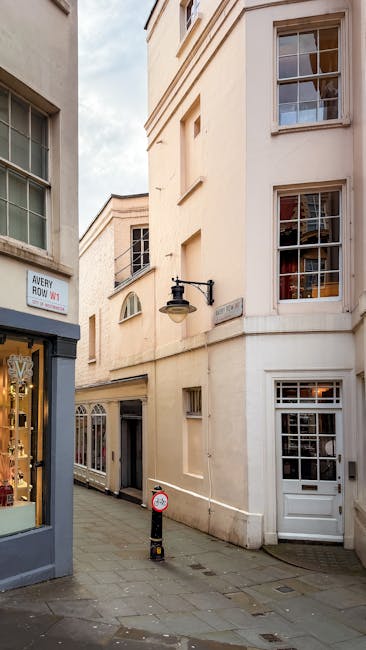
Office moves in Mayfair can look straightforward on paper, then suddenly become complicated the moment you face a narrow stairwell, a strict loading bay window, or a boardroom full of furniture that needs to be out before Monday morning. That is exactly why Business removals in Mayfair: tailored quotes for offices matter so much. A good quote is not just a number; it is a plan shaped around access, timing, building rules, equipment, and the pace your team actually needs.
If you are comparing office movers in W1, you are probably trying to balance cost with certainty. Fair enough. Nobody wants a surprise invoice, and nobody wants staff waiting around with half-packed desks while the lift is stuck on the wrong floor. This guide walks through how tailored office removal quotes work, what they should include, and how to judge whether a mover really understands central London business moves.
We will also cover the practical side: what information to prepare, what risks to watch for, how to compare services properly, and when it makes sense to choose a more specialised approach such as office removals or broader commercial moves. Let's keep it useful and plain English.
Why Business removals in Mayfair: tailored quotes for offices Matters
Mayfair is not the kind of place where an office move can be treated like a generic van job. Buildings can be older, access can be tight, roads can be busy, and landlords often care about protection, timing, and compliance. A one-size-fits-all price usually ignores those details, which is where trouble starts.
Tailored quotes matter because office moves are rarely just about transporting boxes. They often involve IT equipment, confidential files, desks, shelving, meeting tables, breakout furniture, and sometimes specialist items like artwork or secure storage units. If the quotation does not account for the full picture, you can end up with extra charges, delays, or a crew that is underprepared. Not ideal, frankly.
In Mayfair, timing also matters more than people expect. Some buildings only allow moves during limited hours, and some streets are easier to work with early in the day. A properly tailored quote should reflect these practical realities rather than assuming the move will glide along at a standard pace. In our experience, the best moving plans in central London feel less like a transport job and more like a carefully choreographed handover.
There is also a trust issue. When a company gives you a detailed quote, it usually shows they have thought through the job properly. That does not guarantee perfection, of course, but it is a much better sign than a quick estimate based on a postcode and a guess.
Expert summary: if your office move involves access restrictions, sensitive items, or a fixed deadline, a tailored quote is not a luxury. It is the difference between a controlled move and a stressful one.
How Business removals in Mayfair: tailored quotes for offices Works
The process usually starts with a short enquiry, followed by a discussion about the size of the office, the type of contents, the moving date, and the destination. For more complex moves, a site visit or virtual survey helps the removal company judge the work accurately. That survey is where the quote becomes specific rather than vague.
A proper office removals quote in Mayfair should usually consider:
- the floor level and lift access at both locations
- loading restrictions, parking or bay access, and building rules
- the number of desks, chairs, filing cabinets, and storage items
- IT disconnection, packing, wrapping, and reassembly needs
- the distance between collection and delivery points
- whether the move needs out-of-hours working
- special handling for fragile or high-value items
The quote may be fixed, estimated, or broken into parts. A fixed quote gives more certainty if the survey is thorough. An estimated quote can still be useful when the scope is not fully known yet, but it should clearly explain what might change the final price. The honest part matters. A lot.
For businesses that need packaging help, it is worth asking whether packing and unpacking services are included or available as an add-on. That can save staff hours and reduce the risk of damage, especially when everyone is busy trying to keep the office running at the same time.
One small but important point: good movers do not simply quote for the van and labour. They map the job. They think about route planning, protection materials, handling sequence, and whether the building manager will want advance notice. That extra detail is what makes the quote genuinely tailored.
Key Benefits and Practical Advantages
There are obvious benefits to tailored office moving quotes, but the less obvious ones are often the most valuable. Let's break it down clearly.
| Benefit | What it means in practice | Why it helps your move |
|---|---|---|
| Better cost accuracy | The quote reflects the real job, not a rough guess | Reduces surprise charges later |
| Less disruption | The move is planned around your working hours and access windows | Keeps staff and clients affected for less time |
| Safer handling | Items are moved with the right equipment and protection | Helps lower the risk of damage or injury |
| Clearer coordination | Everyone knows what happens, when, and who does what | Makes it easier to manage buildings, teams, and deadlines |
| More confidence | You know what has been included and what is optional | Makes decision-making much calmer, honestly |
Another practical advantage is that tailored quotes can surface problems early. Maybe your archive room needs extra labour. Maybe the access route involves a tight corner. Maybe the parking needs to be booked well in advance. Better to hear that during quoting than at 7:30 on moving day, with someone standing by the lift looking nervous.
For firms that also need transport-only support, a company may suggest a man and van removals style solution for smaller sections of the move. That can be useful for satellite offices, urgent transfers, or lightweight equipment runs. Not every move needs a full-scale operation.
Who This Is For and When It Makes Sense
Tailored office removal quotes are useful for a wide range of businesses, but they are especially relevant when the move has more moving parts than a simple desk shift. If any of the following sounds familiar, you are probably in the right territory.
- professional services firms moving from one Mayfair office to another
- small businesses relocating after a lease ends
- companies adding a second office, studio, or client-facing space
- teams that need out-of-hours moving to avoid downtime
- businesses with IT kit, confidential documents, or fragile equipment
- offices in older buildings with awkward access or limited parking
It also makes sense if you are managing the move on behalf of someone else. Admin teams, office managers, operations leads, and PAs often carry the pressure of making everything line up. A clear quote gives them something solid to work from instead of a pile of guesses.
For a very small relocation, a simpler service may be enough. For example, if you are moving a handful of workstations or just a few key items, removals near me might lead you toward a smaller, faster option. But as soon as multiple teams, floors, or departments are involved, tailoring becomes far more valuable.
And let's be fair: Mayfair is not a place where "we'll just wing it" tends to age well.
Step-by-Step Guidance
If you want a better office quote, the trick is to give the removal company the right information from the beginning. Here is a sensible way to approach it.
- List what is actually being moved. Count desks, chairs, filing cabinets, IT equipment, storage boxes, and any specialist items. A rough list is fine to begin with, but make it as accurate as you can.
- Measure access properly. Note stair widths, lift size, loading bay restrictions, and whether the van can park close to the entrance. Tight access can change the time and manpower required.
- Confirm the move date and timing. Some buildings need early access, late access, or weekend working. If the move must happen before a lease handback, say so early.
- Separate essential items from non-essential ones. A phased move may work better than one huge event, especially if your team needs to stay operational.
- Ask what the quote includes. Packing materials, dismantling, reassembly, waiting time, and protection equipment should all be clarified.
- Check building requirements. Ask the landlord, managing agent, or building manager about booking forms, lift protection, floor coverings, and move windows.
- Compare like with like. Two quotes may look similar at first glance, but one may include much more labour or support. Read carefully.
That last step matters more than people think. A cheaper quote can seem attractive until you realise it excludes reassembly or assumes the move will take half the time. Then the "deal" gets a bit wobbly. No one enjoys that moment.
For bigger office relocations, it may help to pair your move with a wider office relocation services plan. That can bring more structure to sequencing, IT handling, and post-move setup. Useful when there is a lot on the line.
Expert Tips for Better Results
After plenty of office moves in central London, a few habits consistently make things easier. They are not glamorous, but they work.
- Do a pre-move walk-through. Even a short site review can reveal awkward corners, corridor pinch points, or loading issues that do not show up in an email.
- Label everything by department or destination. A colour-coded system is simple and surprisingly effective. The office feels calmer too.
- Move the non-urgent clutter first. Old files, spare chairs, and archive boxes can be dealt with before the critical day, which reduces pressure later.
- Assign one decision-maker. Too many voices can slow everything down. One person should have the final say on practical moving decisions.
- Protect the route as well as the items. Wall corners, floors, and doors often need protection in both buildings, not just on the van.
If your office contains bulky furniture that will not be reused, ask about removal and disposal at the same time. This is where a service such as furniture pick-up can be useful, especially if you want to clear space before the relocation rather than after it. It keeps the move more streamlined.
Another small tip: ask how the team handles delays. A good mover should be able to explain what happens if a lift is unavailable, a building manager runs late, or traffic around W1 slows the schedule. You do not need dramatic guarantees. You need a calm, practical answer.
Good office moves are rarely about speed alone. They are about sequencing, communication, and leaving fewer things to chance. In Mayfair, that is even more true than usual.
Common Mistakes to Avoid
Most problems in office removals come from avoidable assumptions. Not all of them, of course, but enough to be worth flagging.
1. Getting quotes without a proper inventory. If the mover does not know how much is being moved, the estimate will be weaker. Simple as that.
2. Ignoring access restrictions. A van may be available, but that does not mean the route, bay, or lift will cooperate.
3. Forgetting about dismantling and reassembly. Desks, shelving, and meeting furniture often need a bit of work before they can be moved safely.
4. Choosing only on price. The cheapest option is not always the best value, especially if it leads to downtime or damage.
5. Leaving IT planning too late. Cables, servers, monitors, printers, and network equipment need careful handling. Nothing kills Monday momentum like a desk that looks tidy but nobody can log in.
6. Not asking about insurance. You should understand what cover is in place and what the mover expects from you. The details matter here.
7. Assuming all office movers work the same way. They do not. Some specialise in small internal moves, others in full business relocations. Pick the right fit.
If you are also researching pricing, it is worth reading a dedicated breakdown such as this Mayfair cost guide. It is focused on a different kind of move, but the same idea applies: real costs depend on access, time, volume, and complexity, not just postcode.
Tools, Resources and Recommendations
You do not need fancy software to organise an office move, but a few simple tools make a big difference.
- Inventory spreadsheet: useful for listing furniture, boxes, and equipment by room or department.
- Floor plan: helps the movers understand where items should go in the new office.
- Labelling system: even basic colour labels can reduce confusion on moving day.
- Timeline checklist: keeps internal teams, suppliers, and movers aligned.
- Photo record: helpful for fragile items, cable setups, or furniture that needs reassembly in a specific way.
For readers who want to understand how pricing is built, the company's pricing and quotes page is a sensible place to start. It should help you understand what information usually drives a quote, which questions matter, and why a detailed survey can save time later.
It is also worth checking whether your move involves waste, surplus furniture, or items with a sustainability angle. If so, look at recycling and sustainability. Office moves often generate more unwanted material than people expect, and handling it properly is simply good practice.
For businesses with a broader procurement or access requirement, the following resources are usually worth having to hand internally, even if they are not exciting reading over coffee:
- building management contact details
- lease end dates and handover requirements
- IT shutdown and restart schedule
- security procedures for keys, fobs, and cabinets
- team contact list for move-day coordination
To be fair, a move goes much better when the boring admin is done early. The glamorous part is the new office. The good part is everything that happened before then.
Law, Compliance, Standards, or Best Practice
Office removals in Mayfair may touch on several areas of normal business best practice, even if the move itself is fairly routine. The precise obligations depend on your building, your business, and the service you agree with the mover, so it is wise to check details rather than assume.
From a practical standpoint, most businesses should think about the following:
- Health and safety: the move should be planned to reduce manual handling risks and avoid obvious hazards. Heavy items, awkward lifts, and obstructed routes need attention.
- Insurance and liability: confirm what the removal company covers and what your business needs to protect itself.
- Building access rules: many Mayfair properties have specific move windows, lift protection rules, or permissions for loading.
- Data and confidentiality: files, documents, and devices should be handled with care to protect business information.
- Waste handling: old furniture and surplus items should be dealt with properly, especially if disposal is part of the move.
If you want to understand the company's general approach to risk and safety, the health and safety policy and insurance and safety information can help clarify expectations. These pages are useful because they show how a mover thinks about risk before anything gets loaded into a van.
There is also a broader trust angle. A company that explains its terms, payment process, and complaint handling is usually easier to work with if anything unexpected comes up. The small print is not glamorous, but it matters. A lot, actually.
For a complete picture of service terms, you may also want to review terms and conditions and payment and security before confirming a booking. That is just sensible business practice, especially if the move involves staged payments or a larger commercial job.
Options, Methods, or Comparison Table
Not every office move needs the same setup. The best approach depends on office size, timing, and how much disruption your team can tolerate.
| Approach | Best for | Pros | Trade-offs |
|---|---|---|---|
| Basic van hire style move | Very small offices or a few items | Lower cost, simple setup | Less support, more work for your team |
| Man and van service | Light office transfers, small departments | Flexible, often quick to arrange | Not ideal for larger or complex relocations |
| Full office removals | Standard business relocations | More organised, more labour support | Requires planning and clearer scope |
| Managed office relocation | Busy offices, phased moves, sensitive equipment | Better coordination, less disruption | Usually more expensive than a basic move |
If your office move is tied to a wider company transition, managed services can be worth it. They usually give you one clearer point of contact and reduce the "who's doing what?" problem that appears right when everyone is tired.
For a different style of move, some businesses compare this with broader removal services or a more direct removal company approach. The right choice depends on how much support you need and how involved the move is going to be.
Case Study or Real-World Example
Imagine a small consulting firm moving from a third-floor office near Bond Street into a new suite a few streets away in Mayfair. On paper, it sounds like a short job. In reality, the old building has a narrow lift, the new office only allows deliveries in a two-hour window, and the team needs to be back on client calls the same afternoon.
A tailored quote changes the plan completely. The mover surveys the office, notes the lift size, checks parking access, and identifies which desks can be dismantled in advance. The quote includes packing support for monitors and files, plus extra labour for a tight delivery window. The company decides to move the archives the day before and the main desks early on the move day.
What happened next? Less drama than expected, which is usually the sign of a good move. The team arrived at the new office with the right items in the right rooms, rather than standing around wondering where the conference table had disappeared to. Someone still lost a stapler, naturally, because office moves are not perfect little miracles. But the move itself was smooth.
This sort of example is common in central London. The job may be short in distance, yet surprisingly detailed in execution. That is why quotes should reflect reality, not assumptions.
Practical Checklist
Use this checklist before requesting or confirming a quote.
- Prepare a full or partial inventory of items to be moved
- Confirm office addresses, floor levels, and access details
- Check lift availability, loading restrictions, and parking arrangements
- Identify items needing dismantling, packing, or special handling
- Decide whether the move needs evening, weekend, or phased timing
- Ask about insurance, protection materials, and reassembly
- Share any building rules or landlord requirements early
- Clarify whether disposal or recycling is part of the job
- Assign an internal move coordinator
- Keep staff informed about packing deadlines and new office setup
Quick tip: if you can answer the access and inventory questions confidently, your quote will almost always be better. It is one of those small admin wins that saves you from a much larger headache later.
Get a free quote today and see how much you can save.
Conclusion
Business removals in Mayfair are at their best when they are planned around the real conditions of the move, not a generic idea of what an office relocation should look like. Tailored quotes give you a clearer price, a more realistic schedule, and a move that is easier to control from start to finish.
Whether you are relocating a small team, shifting to a larger suite, or managing a phased office move with equipment and files to protect, the value lies in the detail. The right mover asks better questions, plans for access, and helps reduce the usual stress that comes with moving day. That is what good service looks like, really.
If you take one thing from this guide, let it be this: a thoughtful office quote is not just about cost. It is about confidence. And in a place like Mayfair, confidence is worth having.
Frequently Asked Questions
What should a tailored office removals quote include?
A good quote should cover labour, transport, access conditions, packing or wrapping if needed, dismantling and reassembly, timing, and any special handling requirements. It should also explain what is not included so there are no awkward surprises later.
How far in advance should I book business removals in Mayfair?
For a standard office move, a few weeks is often better than leaving it late. If the move is complex, involves multiple floors, or needs a specific access window, start earlier so the mover can plan properly.
Are office removal quotes in Mayfair usually fixed or estimated?
They can be either. A fixed quote is more certain, but it usually depends on having enough information from a survey or detailed discussion. Estimated quotes are common when the scope is still being refined.
What makes Mayfair office moves more complicated than other areas?
Access is often the big factor. Tight roads, loading restrictions, building rules, and older properties can all make a move more detailed than the distance alone would suggest.
Can a mover help with packing office items?
Yes, many can. Packing support is especially useful for files, monitors, fragile equipment, and anything that needs organised labelling. It can save time and reduce the risk of damage.
Should I ask about insurance before booking?
Absolutely. You should understand what is covered, what the mover expects from you, and whether any special-value items need separate discussion. It is one of those boring questions that turns out to be very important.
How can I compare office removals quotes properly?
Compare the scope, not just the price. Look at what is included, whether the quote is based on a survey, how access issues are handled, and whether the mover has experience with business moves in central London.
Do I need a site survey for an office move?
It is strongly recommended for anything beyond a very small move. A survey helps the mover see access issues, understand volume, and spot details that might not show up in a phone call or email.
Can office removals include disposal of old furniture?
Often, yes. Some movers can remove unwanted items and arrange recycling or disposal alongside the move. If you have surplus desks, cabinets, or chairs, ask about this early so it can be built into the plan.
What if my office needs to move out of hours?
That is quite common in business removals. Evening or weekend work can reduce disruption, but it should be included in the quote because it affects staffing, access, and planning.
Are smaller office moves better suited to a man and van service?
Sometimes, yes. If you are moving a few items or a small team, a lighter service can be practical. If the move is larger, has sensitive equipment, or needs careful coordination, a fuller office removals service is usually the better fit.
What information helps me get a more accurate quote?
The most useful details are inventory, access, floor levels, timing, and any special handling needs. The more clearly you describe the job, the more accurate and useful the quote tends to be.